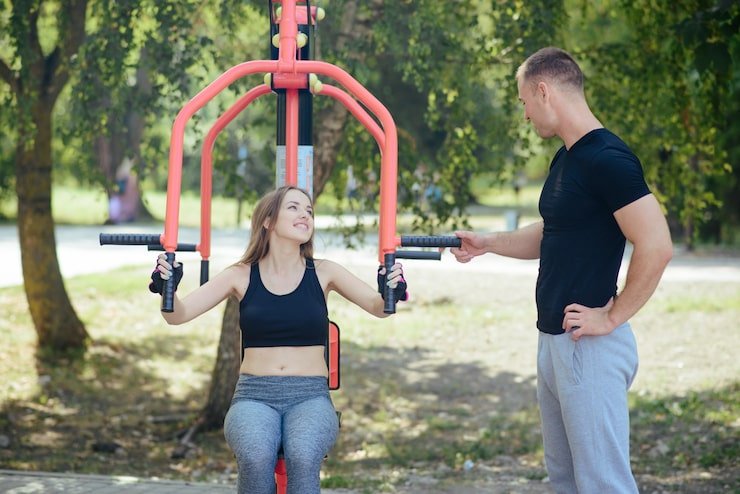
Choosing the right gym can make a significant difference in how consistently a person exercises and maintains a healthy lifestyle. redwood fitness is a search term that may be used by people looking for information about a fitness facility, workout environment, exercise programs, memberships, or training options associated with the Redwood name. When evaluating any fitness center, it is useful to look beyond the appearance of the facility and consider equipment, classes, personal training, operating hours, cleanliness, membership terms, and the overall environment. A suitable fitness facility should match a person’s goals, schedule, preferred training style, and budget.
What Makes a Good Fitness Center?
A good fitness center should provide more than a collection of exercise machines. The best choice depends on what an individual expects from a workout environment.
Someone focused on strength training may prioritize free weights, resistance machines, racks, benches, and adequate training space. A person interested in cardiovascular exercise may look for treadmills, bikes, rowing machines, stair climbers, and other equipment.
People who enjoy group exercise may be more interested in classes and instructor-led programs.
Important Features to Consider
- Quality exercise equipment
- Clean and organized workout areas
- Adequate training space
- Convenient operating hours
- Group fitness options
- Personal training
- Locker and changing facilities
- Parking or transportation access
- Membership flexibility
- Friendly and professional staff
- Appropriate safety procedures
The right combination depends on the individual rather than on a single universal definition of a good gym.
Assessing Your Fitness Goals
Before choosing a gym, identify what you actually want to accomplish.
Fitness goals can include improving cardiovascular endurance, increasing strength, building muscle, losing body fat, improving flexibility, developing athletic performance, or simply becoming more active.
A clear goal makes it easier to determine which facilities and services are genuinely useful.
| Fitness Goal | Useful Equipment or Service |
|---|---|
| Strength development | Free weights and resistance machines |
| Cardiovascular fitness | Treadmills, bikes, rowers, and similar equipment |
| Muscle building | Resistance equipment and free weights |
| Flexibility | Stretching areas and mobility classes |
| General fitness | Combination of cardio and resistance equipment |
| Weight management | Cardio, resistance training, and coaching |
| Athletic conditioning | Functional training and performance equipment |
| Beginner fitness | Instruction and accessible equipment |
A person does not necessarily need every available piece of equipment. The most valuable facility is one that supports consistent training toward a specific goal.
Gym Equipment and Workout Areas
Equipment quality is an important consideration when evaluating a fitness center.
A well-rounded gym may have separate areas for cardiovascular exercise, strength training, functional movement, stretching, and group activities.
Cardiovascular Equipment
Common options include:
- Treadmills
- Elliptical machines
- Stationary bikes
- Rowing machines
- Stair climbers
- Cardio machines designed for different training levels
Having multiple options allows members to vary their workouts and choose exercises that suit their preferences.
Strength Equipment
Strength areas may include:
- Dumbbells
- Barbells
- Weight plates
- Benches
- Squat racks
- Cable machines
- Resistance machines
- Functional training equipment
A good strength-training area should provide enough space for members to exercise safely without unnecessary crowding.
Group Fitness Classes
Group classes can make exercise more engaging for people who prefer instructor-led workouts.
Depending on the facility, programs may include:
- Yoga
- Pilates
- Cycling
- Strength classes
- Dance-based workouts
- Functional fitness
- High-intensity interval training
- Mobility sessions
- Conditioning programs
Group workouts can also create a sense of community. Some people find that scheduled classes make it easier to maintain a regular exercise routine.
Before joining, it is useful to check class schedules and determine whether the available sessions fit your daily routine.
Personal Training
Personal training can be useful for people who want individualized instruction.
A qualified trainer may help members understand exercise technique, develop workout plans, organize training sessions, and make adjustments based on progress.
Personal training can be particularly helpful for beginners who are unfamiliar with gym equipment or individuals who want a structured training program.
Questions to Ask a Trainer
Before purchasing personal training, consider asking:
- What certifications or qualifications do you have?
- How do you create workout programs?
- How do you track progress?
- How frequently do you recommend training?
- Can programs be adapted for different fitness levels?
- What happens if an exercise causes discomfort?
- How do you communicate progress and adjustments?
A good trainer should be able to explain exercises clearly and prioritize safe, appropriate training.
Fitness for Beginners
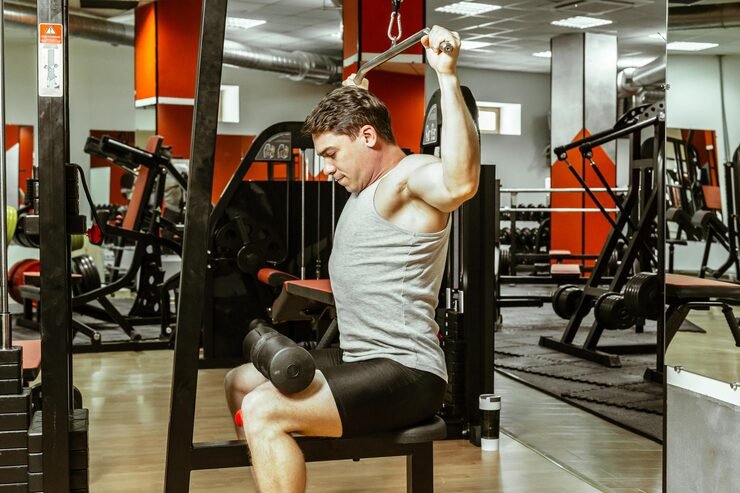
Starting a gym routine can feel overwhelming, especially for someone who has not exercised regularly.
Beginners do not need to perform advanced workouts immediately. A gradual approach is often easier to maintain.
A simple beginner routine may include:
- A short warm-up
- Basic cardiovascular activity
- Several simple resistance exercises
- Mobility or stretching
- A gradual increase in workload
The goal is to build consistency before attempting highly demanding workouts.
Beginner Tips
- Start at a manageable intensity.
- Learn proper exercise technique.
- Avoid comparing your progress with other members.
- Allow adequate recovery.
- Stay hydrated.
- Keep workouts consistent.
- Increase training gradually.
- Ask qualified staff for assistance when needed.
Creating a Consistent Workout Schedule
Consistency is one of the most important parts of any fitness routine.
A complicated program that someone follows for two weeks may be less useful than a simple routine that can be maintained for months.
For example, a beginner could schedule three workouts per week:
| Day | Workout Focus |
|---|---|
| Monday | Full-body strength |
| Wednesday | Cardiovascular training |
| Friday | Full-body strength |
| Weekend | Optional walking or recreational activity |
The exact schedule should be adjusted according to personal availability, recovery, fitness level, and goals.
Cleanliness and Facility Standards
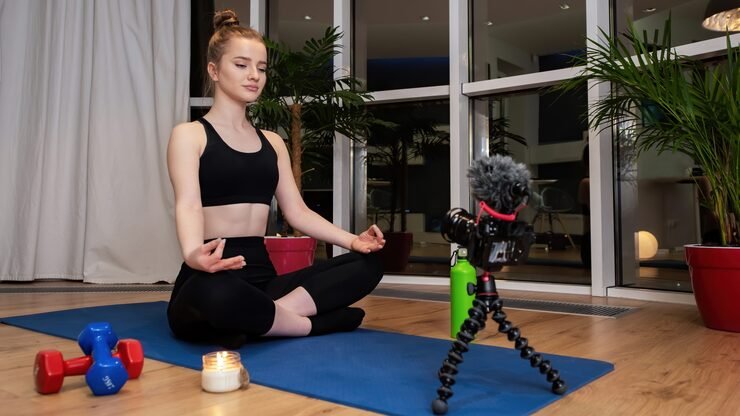
Cleanliness can strongly influence the overall gym experience.
Members regularly share exercise equipment, benches, changing areas, and other spaces. Facilities should therefore have appropriate cleaning and maintenance procedures.
When visiting a gym, look at:
- Equipment cleanliness
- Floor conditions
- Restroom maintenance
- Locker room condition
- Availability of cleaning supplies
- Equipment maintenance
- General organization
A clean environment can make workouts more comfortable and encourage members to use the facility regularly.
Membership Costs and Contracts
Membership price is only one part of the financial decision.
Potential costs can include initiation fees, monthly membership charges, personal training, specialty classes, cancellation fees, or other services.
Before signing an agreement, understand exactly what is included.
Membership Checklist
- Monthly price
- Enrollment fee
- Contract length
- Cancellation policy
- Freeze options
- Guest privileges
- Class access
- Personal training costs
- Additional facility charges
- Payment schedule
A lower monthly price may not necessarily represent the best value if important services require additional payments.
Location and Convenience
Location can have a major effect on exercise consistency.
A gym that is convenient to reach may be easier to incorporate into a daily routine. Consider how long it takes to travel there from home, work, school, or other regular destinations.
Operating hours are also important.
Someone who prefers early morning workouts should verify that the facility opens early enough. Someone who exercises after work should check evening hours and typical crowd levels.
Gym Environment and Community
The atmosphere of a fitness facility can affect motivation.
Some people prefer quiet gyms where they can complete their workouts independently. Others enjoy energetic environments with music, group classes, and social interaction.
When taking a tour, consider whether the environment feels comfortable and appropriate for your personality.
Things to Observe
- How crowded the gym is
- Whether equipment is available during busy periods
- Staff interaction with members
- Noise levels
- General atmosphere
- Organization of workout areas
- Member behavior
A facility that feels comfortable is often easier to use consistently.
Technology and Modern Fitness Services
Technology has become an increasingly common part of modern fitness.
Gyms may use mobile applications for membership management, class scheduling, workout tracking, account information, or communication.
Some facilities may also provide digital workout programs, fitness assessments, wearable integration, or other technology-based services.
Technology should support the workout experience rather than become a distraction.
Safety and Proper Exercise Technique
Safety should always be considered when starting or changing an exercise program.
Members should learn how to use unfamiliar equipment before increasing resistance or intensity.
Important safety practices include:
- Warm up appropriately.
- Use equipment correctly.
- Maintain controlled movement.
- Choose suitable resistance.
- Avoid excessive training loads.
- Keep workout areas organized.
- Follow facility rules.
- Ask for assistance when necessary.
People with medical concerns or specific physical limitations should obtain appropriate professional guidance before beginning a new exercise program.
How to Get More Value From a Gym Membership
Joining a gym is only the first step. The value of membership depends heavily on how consistently the facility is used.
A member can make better use of a membership by creating realistic goals and establishing a routine.
Practical Strategies
- Schedule workouts in advance.
- Track workouts.
- Try different equipment.
- Attend suitable classes.
- Ask questions when unsure.
- Review progress periodically.
- Adjust the routine when motivation declines.
- Avoid setting unrealistic goals.
- Build recovery into the schedule.
The most effective routine is usually one that can be maintained over time.
Common Mistakes When Choosing a Gym
One common mistake is selecting a facility solely because it has a low membership price.
Another is choosing a gym based entirely on its appearance without checking whether it offers the equipment and services needed for a particular goal.
People may also sign long contracts without understanding cancellation conditions.
Other mistakes include:
- Ignoring travel time
- Failing to check busy hours
- Choosing unnecessary services
- Not asking about additional fees
- Ignoring cleanliness
- Selecting a program that does not match fitness goals
- Starting an overly intense workout routine
Taking time to evaluate these factors can make the decision more practical.
Frequently Asked Questions
1. What should I look for in a fitness center?
Look at equipment quality, cleanliness, location, operating hours, membership terms, available classes, personal training, safety practices, and the overall environment. Your personal fitness goals should determine which features matter most.
2. Is personal training necessary for beginners?
Personal training is not required for everyone, but individualized instruction can be useful for beginners who need help learning exercises, using equipment, or developing a structured routine.
3. How often should a beginner go to the gym?
A beginner can start with a manageable schedule, such as two or three workout sessions per week, depending on fitness level and recovery. Consistency is generally more important than trying to exercise intensely every day.
4. What equipment should a beginner use?
Beginners can start with basic cardiovascular equipment, machines, light free weights, and simple bodyweight movements. Exercises should be appropriate for the individual’s current fitness level.
5. How can I stay consistent with my workouts?
Set realistic goals, choose convenient workout times, track progress, vary activities when appropriate, and create a routine that fits your lifestyle. Selecting a convenient and comfortable fitness environment can also make regular attendance easier.
Conclusion
Choosing a fitness center is a personal decision that should be based on goals, schedule, budget, equipment preferences, and overall comfort. A facility can offer extensive equipment and services, but those features only provide value when they support a routine that members can realistically maintain. Before joining, consider visiting the facility, reviewing membership terms, checking operating hours, examining equipment, and asking questions about classes and training options. With realistic goals and consistent participation, a well-chosen fitness environment can become an important part of a sustainable exercise routine.
