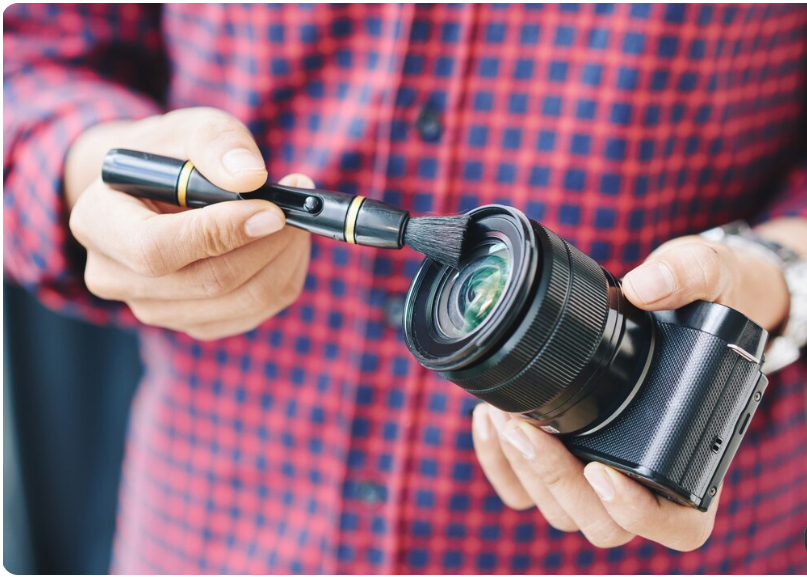
Camera education is the process of learning how cameras work, how to capture high-quality photographs, and how to use photography equipment effectively. Whether someone wants to become a professional photographer, create content for social media, document travel experiences, or simply take better pictures, understanding camera fundamentals is an important first step.
Modern cameras offer numerous features, including automatic shooting modes, manual exposure controls, interchangeable lenses, image stabilization, and advanced focusing systems. However, owning an expensive camera does not automatically make someone a skilled photographer. Learning how to control light, composition, focus, and exposure is what helps turn ordinary photographs into meaningful images.
Camera education combines technical knowledge with creativity and practical experience. Students learn how to operate different cameras, select suitable lenses, understand lighting, edit photographs, and develop their own visual style.
Key Takeaways About Camera Education
- Camera education teaches the technical and creative foundations of photography.
- Beginners can start learning with smartphones, compact cameras, DSLRs, or mirrorless cameras.
- Aperture, shutter speed, and ISO are essential photography concepts.
- Composition and lighting influence the quality of photographs.
- Practical assignments help develop camera-handling skills.
- Photography education can lead to careers in commercial, fashion, wildlife, product, and event photography.
- Editing and visual storytelling are important parts of modern photography.
- Students can learn through online courses, workshops, certificates, diplomas, and degree programmes.
What Is Camera Education?
Camera education refers to structured learning about cameras, photography techniques, image creation, and photographic equipment.
It helps students understand how different camera components work together to capture images. It also teaches them how to make creative decisions about framing, exposure, lighting, and composition.
Camera education may include both theoretical lessons and practical activities.
For example, a beginner might first learn how to hold a camera, adjust focus, and capture photographs using automatic settings. Later, the student may explore manual mode, experiment with different lenses, and learn advanced lighting techniques.
The Central Board of Secondary Education’s photography curriculum includes subjects such as digital imaging, camera equipment, exposure, lenses, lighting, and practical photography projects. <Cite refs={[“turn870654search12″,”turn870654search13”]}/>
Why Is Camera Education Important?
Learning photography involves more than pressing a button. A good photograph requires an understanding of light, subject placement, timing, and camera settings.
Camera education offers several benefits.
1. Better Understanding of Camera Functions
Modern cameras contain many features that beginners may find confusing. Education helps explain important functions, including autofocus, exposure compensation, white balance, shooting modes, and image quality settings.
2. Improved Photography Skills
Learning the fundamentals helps photographers capture sharper, better-exposed, and more visually appealing images.
3. Greater Creative Control
Automatic camera settings are useful, but manual controls allow photographers to create specific effects.
For example, a photographer can use a slow shutter speed to capture movement or a wide aperture to create a blurred background.
4. Professional Career Opportunities
Photography skills can support careers in advertising, journalism, fashion, travel, weddings, wildlife documentation, and commercial content creation.
5. Better Visual Communication
Photographs can communicate emotions, tell stories, document events, and present products. Understanding composition and visual storytelling helps photographers communicate more effectively.
Understanding Different Types of Cameras

One of the first subjects in camera education is learning about different camera types. Each type has its own features, advantages, and limitations.
1. DSLR Cameras
Digital Single-Lens Reflex cameras use a mirror mechanism to direct light toward an optical viewfinder.
They are popular among photography enthusiasts and professionals because they offer interchangeable lenses and extensive manual controls.
Common advantages include:
- Optical viewfinders
- Interchangeable lenses
- Manual exposure controls
- Wide lens selection
- Good battery performance on many models
2. Mirrorless Cameras
Mirrorless cameras do not use the traditional DSLR mirror mechanism. They generally use electronic viewfinders or rear screens to display the image.
Many modern mirrorless cameras offer advanced autofocus, video recording, and high-resolution imaging.
They are widely used for portraits, travel, commercial photography, and video production.
3. Compact Digital Cameras
Compact cameras are designed for convenient photography. They generally have built-in lenses and automatic shooting options.
They can be suitable for casual users who want a dedicated camera without managing interchangeable lenses.
4. Smartphone Cameras
Smartphones have made photography more accessible. Modern devices offer multiple cameras, computational photography, portrait effects, and advanced video features.
Although smartphone cameras have limitations compared with some dedicated cameras, they are useful learning tools for understanding composition, lighting, and visual storytelling.
5. Film Cameras
Film cameras capture images on light-sensitive photographic film instead of digital image sensors.
Learning film photography can help students understand traditional photographic processes, exposure, film types, and darkroom techniques.
Essential Camera Settings Every Beginner Should Learn
Understanding camera settings is one of the most important parts of photography education.
The three fundamental exposure controls are aperture, shutter speed, and ISO.
1. Aperture
Aperture controls the size of the opening in a lens through which light enters the camera.
It is measured using f-numbers, such as f/1.8, f/4, f/8, and f/16.
A wider aperture, represented by a smaller f-number, allows more light to enter and can create a shallow depth of field.
A narrower aperture allows less light and can keep more of a scene in focus.
2. Shutter Speed
Shutter speed determines how long the camera sensor is exposed to light.
It is usually measured in fractions of a second or seconds.
Examples include:
- 1/1000 second for freezing fast movement.
- 1/250 second for many everyday action photographs.
- 1/60 second for certain handheld situations.
- 1 second or longer for creative long-exposure photography.
The appropriate shutter speed depends on subject movement, camera stability, lighting, and the desired visual effect.
3. ISO
ISO describes the camera sensor’s sensitivity setting within the exposure system.
A lower ISO, such as ISO 100, is generally useful in bright conditions and can produce cleaner images.
A higher ISO can help capture photographs in darker environments, but it may introduce visible image noise.
Understanding the Exposure Triangle
Aperture, shutter speed, and ISO work together to control exposure.
| Camera setting | Main function | Creative effect |
|---|---|---|
| Aperture | Controls lens opening | Depth of field |
| Shutter speed | Controls exposure time | Motion blur or freezing |
| ISO | Controls sensor sensitivity setting | Image brightness and noise |
Learning how these three controls interact gives photographers greater creative flexibility.
Important Photography Composition Techniques
Composition refers to how visual elements are arranged inside a photograph.
Even when camera settings are correct, poor composition can make an image less effective.
Rule of Thirds
The rule of thirds divides an image into nine sections using two horizontal and two vertical lines.
Placing important subjects near these lines or their intersections can create balanced photographs.
Leading Lines
Leading lines guide the viewer’s attention toward the main subject.
Roads, bridges, fences, buildings, and pathways can all create useful leading lines.
Symmetry
Symmetrical compositions create a sense of balance by arranging visual elements similarly on both sides of an image.
Architecture and reflection photography often use symmetry effectively.
Framing
Natural or architectural objects can be used to frame the subject.
Examples include windows, doorways, tree branches, and arches.
Negative Space
Negative space refers to the relatively empty area surrounding a subject.
It can help make photographs look cleaner and draw attention toward the main subject.
Understanding Camera Lenses
Lenses affect the way subjects appear in photographs. Camera education should include understanding focal length, perspective, and lens characteristics.
Wide-Angle Lenses
Wide-angle lenses capture a broad field of view. They are useful for landscapes, architecture, interiors, and certain environmental portraits.
Standard Lenses
Standard lenses provide a natural-looking field of view and are useful for everyday photography.
A 50mm lens is a popular example on full-frame cameras.
Telephoto Lenses
Telephoto lenses provide a narrower field of view and help photograph distant subjects.
They are commonly used for wildlife, sports, and portrait photography.
Macro Lenses
Macro lenses are designed for close-up photography. They help capture fine details in flowers, insects, jewelry, and small objects.
| Lens type | Common use |
|---|---|
| Wide-angle | Landscapes and interiors |
| Standard | Everyday photography |
| Telephoto | Sports and wildlife |
| Macro | Close-up photography |
| Fisheye | Creative wide-angle effects |
Lighting Education for Better Photography
Lighting is one of the most important elements of photography. It affects image brightness, shadows, contrast, color, and mood.
Natural Lighting
Natural light comes from the sun and surrounding environmental sources.
Photographers often use morning and late-afternoon light for portraits and outdoor photography because it can produce softer shadows than strong midday sunlight.
Artificial Lighting
Artificial lighting includes flash units, studio lights, LED panels, and other controlled light sources.
It allows photographers to create consistent lighting conditions indoors or outdoors.
Three-Point Lighting
Three-point lighting is a common studio lighting arrangement.
It uses three primary light sources:
- Key light: The main light illuminating the subject.
- Fill light: Reduces harsh shadows created by the key light.
- Back light: Separates the subject from the background.
This setup is frequently used in portrait photography, video production, and interviews.
Types of Photography Students Can Explore
Camera education introduces students to different photography genres so they can discover their interests.
Portrait Photography
Portrait photography focuses on people and their expressions. It requires an understanding of lighting, posing, background selection, and composition.
Landscape Photography
Landscape photography captures natural environments, including mountains, rivers, forests, beaches, and countryside scenes.
Wildlife Photography
Wildlife photography involves capturing animals in natural environments. It requires patience, suitable lenses, knowledge of animal behavior, and respect for wildlife.
Street Photography
Street photography documents everyday life in public spaces. It often focuses on spontaneous moments, human interactions, and urban environments.
Product Photography
Product photography presents items clearly and attractively for advertising, online stores, catalogs, and marketing materials.
Fashion Photography
Fashion photography focuses on clothing, accessories, styling, models, and creative visual presentation.
Wedding and Event Photography
This genre involves documenting important occasions, celebrations, ceremonies, and memorable moments.
Sports Photography
Sports photographers capture fast-moving action and require suitable shutter speeds, autofocus settings, and lenses.
Camera Education Courses and Learning Options
Students can choose different educational paths depending on their goals, available time, and experience.
Beginner Photography Courses
Beginner courses introduce basic camera operation, exposure, composition, focus, and lighting.
They are suitable for people who have little or no photography experience.
Certificate Courses
Certificate programmes usually focus on specific photography skills and may include practical assignments.
They can be useful for hobbyists and students exploring photography as a career.
Diploma Courses
Diploma programmes generally offer more structured instruction in technical photography, creative practice, equipment, and editing.
Undergraduate Degree Programmes
Students interested in formal education can explore undergraduate programmes related to photography, visual arts, media, or communication.
Online Photography Education
Online learning offers flexibility for students who want to study camera settings, composition, editing, and photography techniques from home.
However, practical shooting experience and feedback are important for developing real-world skills.
Indeed’s overview of photography education discusses options including foundation programmes, workshops, certificates, and degree courses. <Cite refs={[“turn870654search2″,”turn870654search7″,”turn870654search9”]}/>
Essential Equipment for Photography Students
Beginners do not need to purchase every photography accessory immediately. Start with basic equipment and add specialized tools as your skills develop.
- Camera or smartphone with manual controls
- Suitable camera lens
- Memory cards
- Camera battery and charger
- Tripod
- Camera bag
- Lens cleaning cloth
- External flash or LED light
- Reflector
- Computer for image editing
A tripod is especially useful for landscape photography, long exposures, product photography, and situations where camera stability is important.
Practical Exercises to Improve Camera Skills
Practical experience is essential for developing photography skills.
Students can complete simple exercises to understand how different camera settings influence the final image.
Exercise 1: Experiment With Aperture
Photograph the same subject using different aperture settings.
Compare the background blur and observe how depth of field changes.
Exercise 2: Practice Shutter Speed
Photograph a moving object using different shutter speeds.
Notice the difference between freezing movement and creating motion blur.
Exercise 3: Explore Natural Light
Photograph the same subject in morning, afternoon, and evening light.
Compare the shadows, colors, and overall mood.
Exercise 4: Try Different Compositions
Capture one subject using the rule of thirds, symmetry, framing, and negative space.
Review the photographs and identify which composition communicates the subject most effectively.
Exercise 5: Create a Photo Story
Take five to ten photographs that communicate a simple story, such as a morning routine, a local market visit, or a day in nature.
This activity helps develop visual storytelling skills.
Career Opportunities After Camera Education
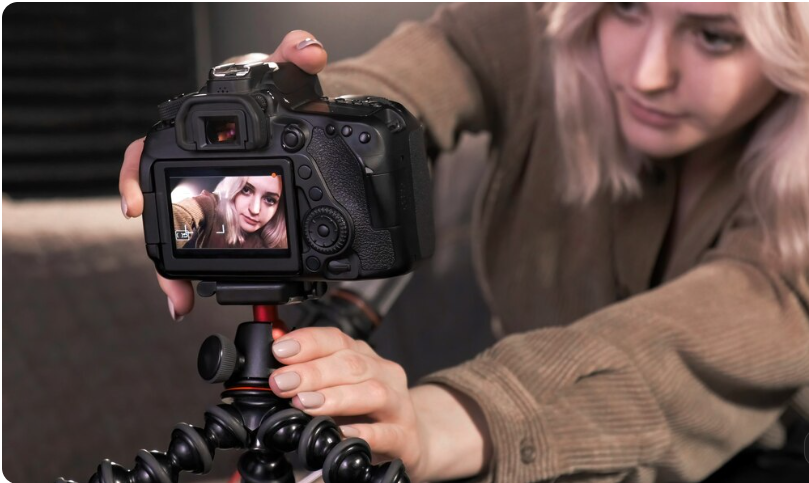
Photography education can open different career opportunities depending on the student’s experience, portfolio, technical abilities, and professional interests.
Potential career paths include:
- Professional photographer
- Wedding photographer
- Fashion photographer
- Wildlife photographer
- Product photographer
- Photojournalist
- Real estate photographer
- Commercial photographer
- Studio assistant
- Photography educator
- Video and content creator
- Photo editor
Some photographers work independently, while others join studios, advertising agencies, media organizations, production companies, or businesses.
Building a strong portfolio, developing communication skills, and gaining practical experience are important steps toward professional growth.
How to Choose the Right Camera Education Programme
Selecting a suitable programme requires more than comparing course names or certificates.
Consider the following factors before enrolling:
- Learning objectives: Check whether the course covers the skills you want to develop.
- Practical training: Look for hands-on assignments and photography projects.
- Equipment access: Find out whether cameras, lenses, lighting, and studio facilities are available.
- Instructor experience: Review the instructors’ professional and teaching backgrounds.
- Course duration: Choose a schedule that fits your learning goals.
- Portfolio development: Prefer programmes that encourage students to create and review their own work.
- Total fees: Compare tuition, equipment costs, software, and additional expenses.
- Student feedback: Read genuine reviews and examine examples of student work.
A good programme should balance technical lessons with creative practice.
Frequently Asked Questions (FAQs)
1. What is camera education?
Camera education is the process of learning how cameras work and how to use them to create effective photographs. It covers camera settings, lenses, exposure, lighting, composition, image editing, and visual storytelling.
2. Can beginners learn photography without a professional camera?
Yes. Beginners can learn many photography fundamentals using a smartphone or an entry-level digital camera. Understanding composition, lighting, focus, and exposure is more important initially than owning expensive equipment.
3. What are the three main camera settings?
The three fundamental exposure settings are aperture, shutter speed, and ISO. Together, they influence image exposure and creative effects such as background blur, motion freezing, and image noise.
4. Is photography education useful for a career?
Yes. Photography education can provide technical knowledge, practical experience, and creative skills that support careers in fashion, advertising, journalism, weddings, wildlife, product photography, and other visual industries.
5. How long does it take to learn photography?
Basic photography skills can be developed through a few weeks or months of regular practice. Advanced techniques and professional expertise usually require longer learning, practical experience, feedback, and continuous improvement.
